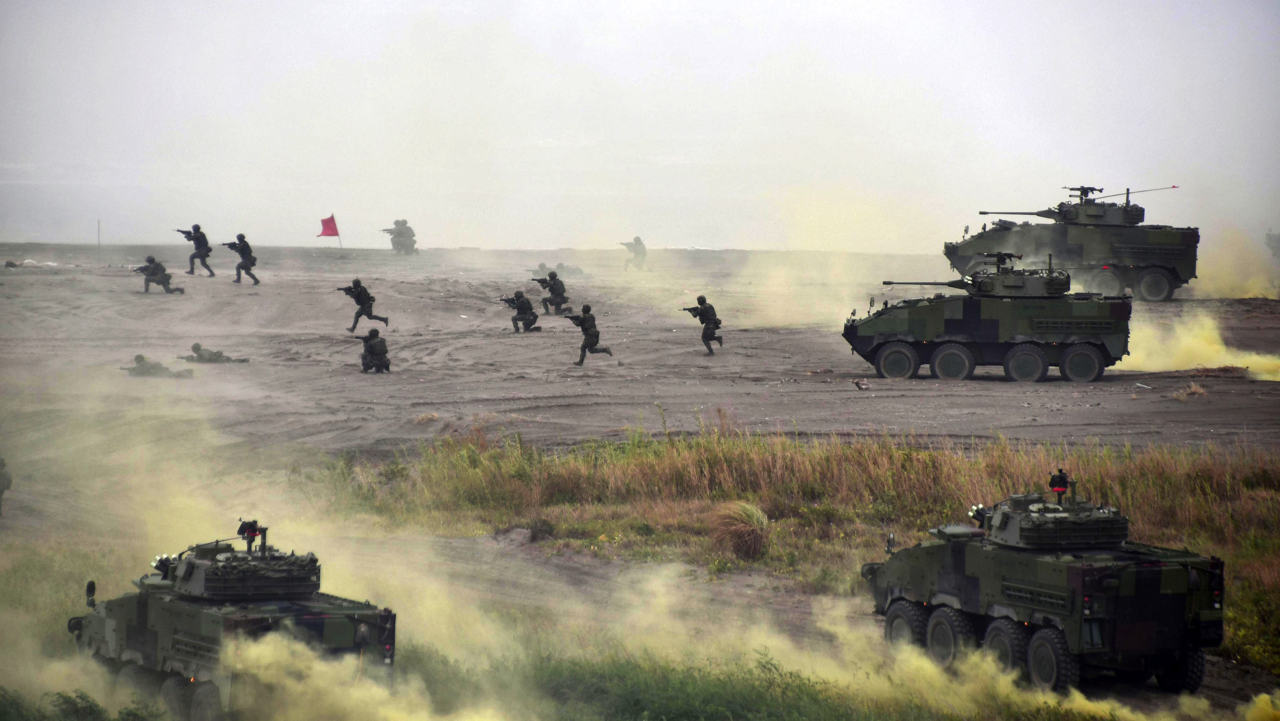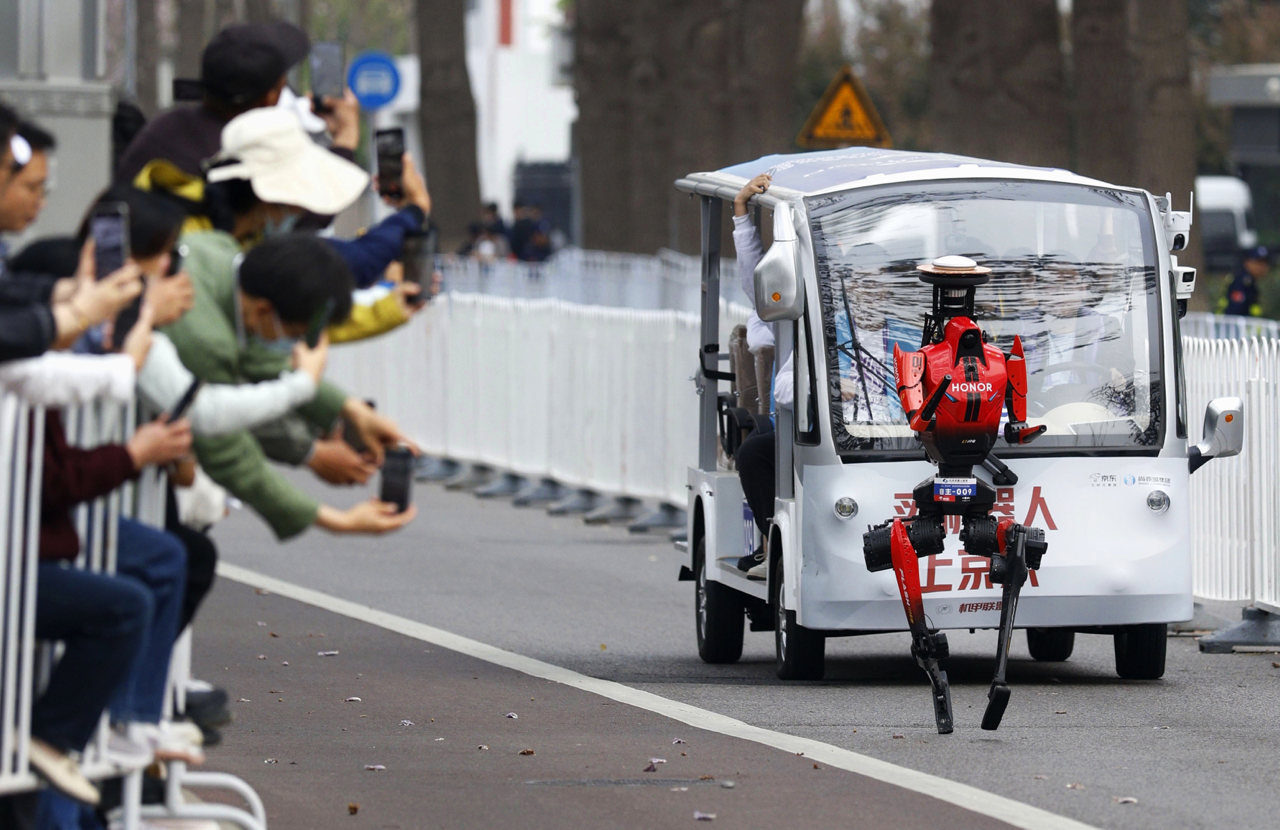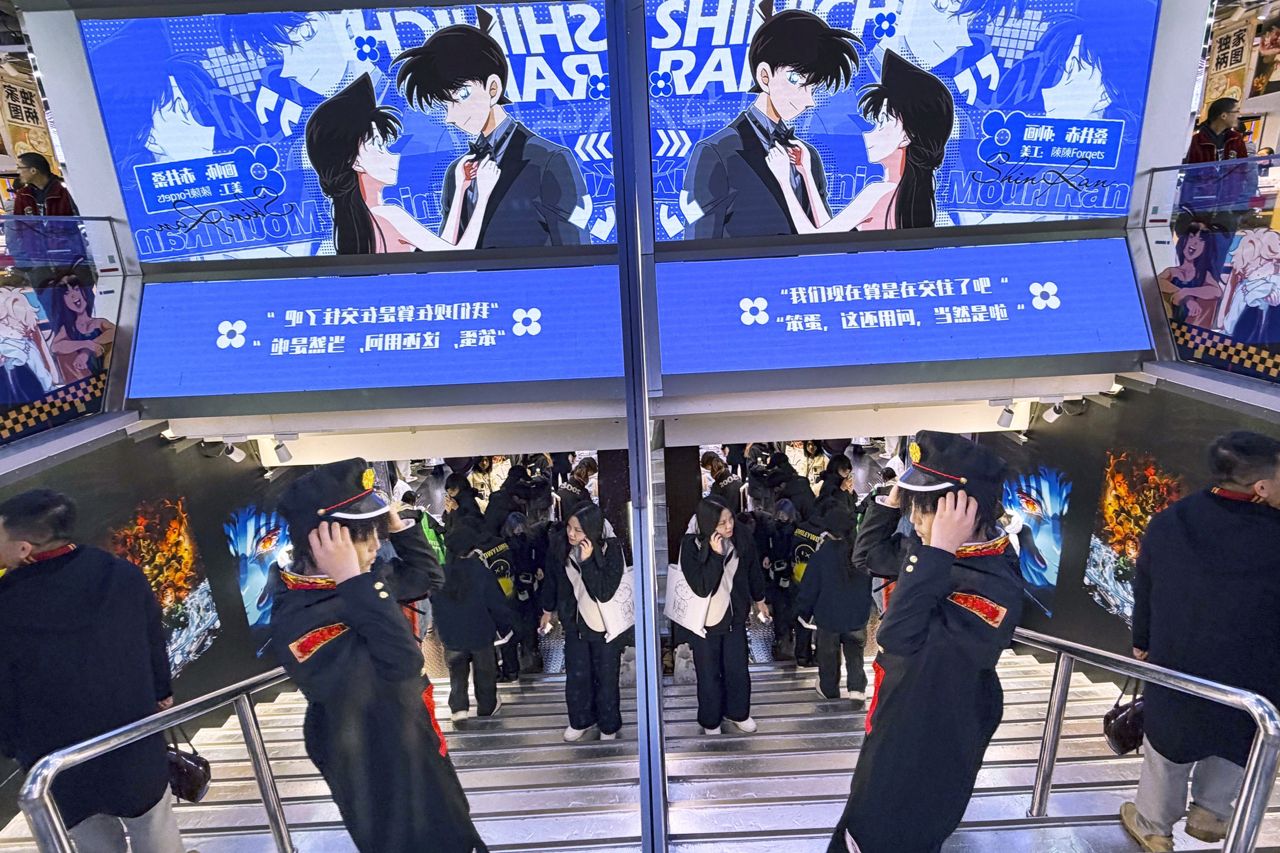
会期:2026年11月10日(火)~27日(金)9:00~21:00[初日10:00から/最終日18:00まで] 会場:汐留シオサイト 地下歩道 特設スペース 東京都港区東新橋1丁目付近
入場無料
主催:公益財団法人新聞通信調査会 協力:共同通信社

私たちは、
どれだけ中国と台湾を
知っているだろうか

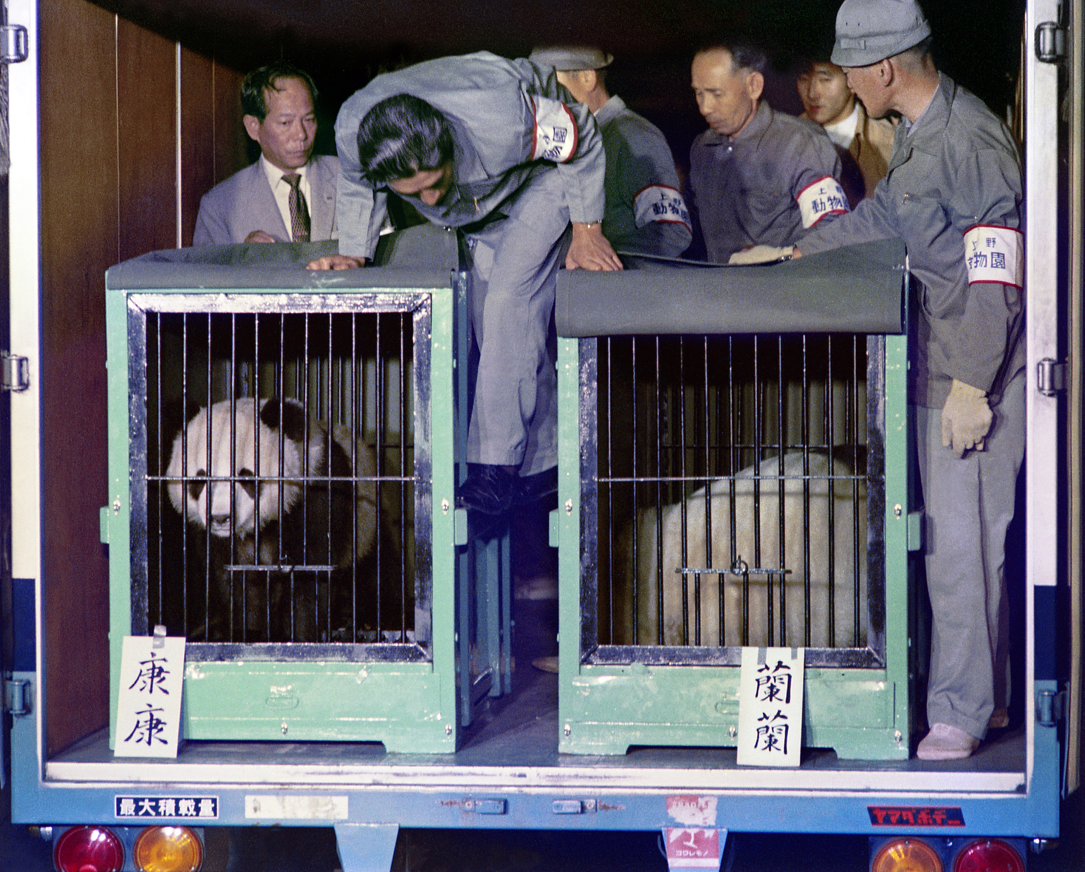
1972年、日本は中華民国と断交し、中華人民共和国と国交を正常化した。パンダが来日し中国ブームに沸いてから半世紀余りが経過した。歩み寄りとすれ違いを繰り返し、それぞれに喜怒哀楽と紆余曲折を重ねてきた。混迷する国際情勢の中、東アジアはどこへ向かうのか。政治レベルでの日中関係が冷え込む今あらためて、複雑に絡み合ってきた約100年を回顧する。

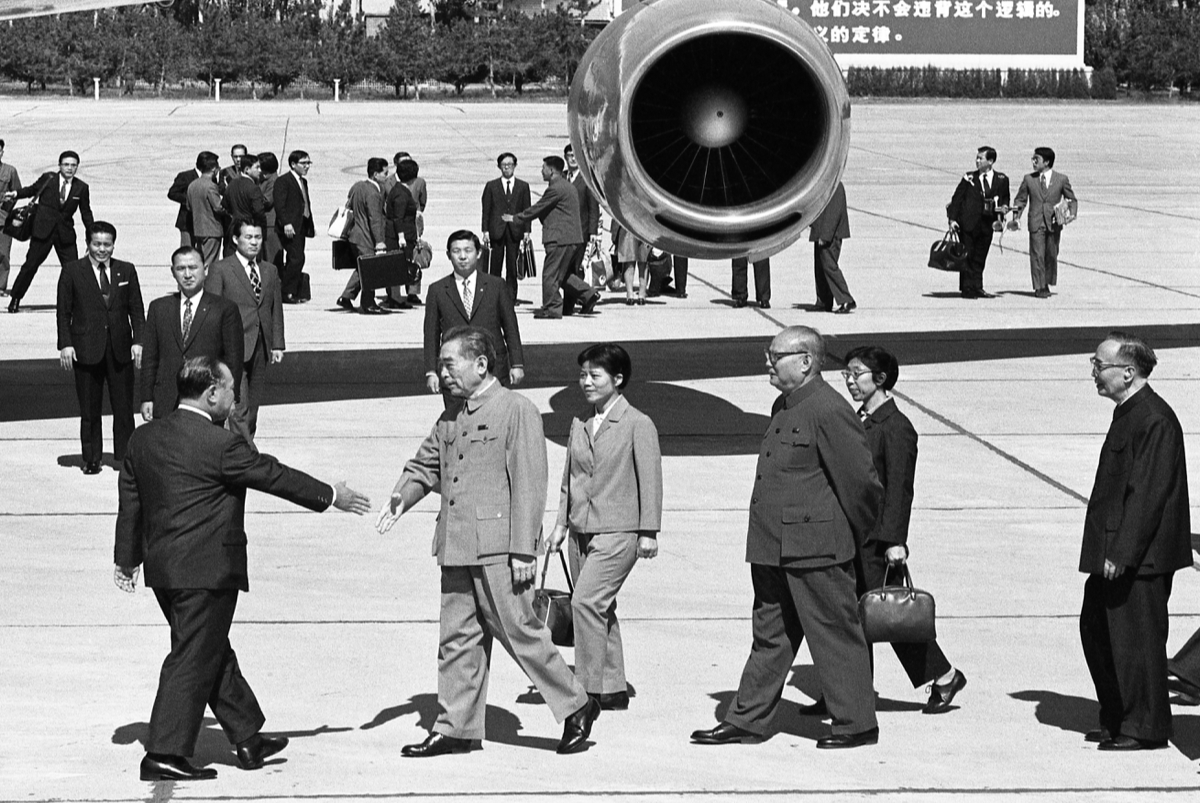
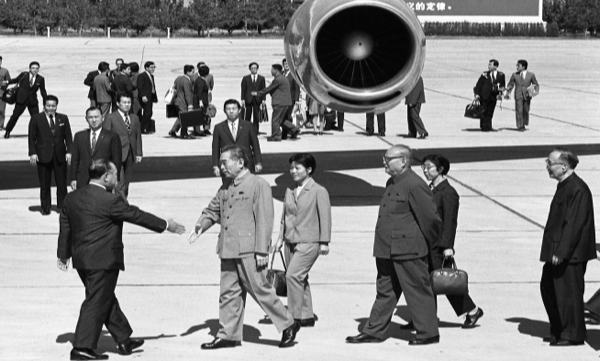
日中首脳が歴史的な握手

展示構成

プロローグ「中国」とは何か

プロローグ 「中国」とは何か

PrologueWhat is "China"?

第1章前史:激変する東アジア

第1章 前史:激変する東アジア

Chapter 1Prehistory : A Rapidly Changing East Asia

第2章友好と対立、民主化

第2章 友好と対立、民主化

Chapter 2Friendship and Rivalry, and Democratization

第3章日中逆転

第3章 日中逆転

Chapter 3The Japan-China Reversal

エピローグ政治を超えて

エピローグ 政治を超えて

EpilogueBeyond Politics

プロローグ「中国」とは何かPrologue: What is "China"?

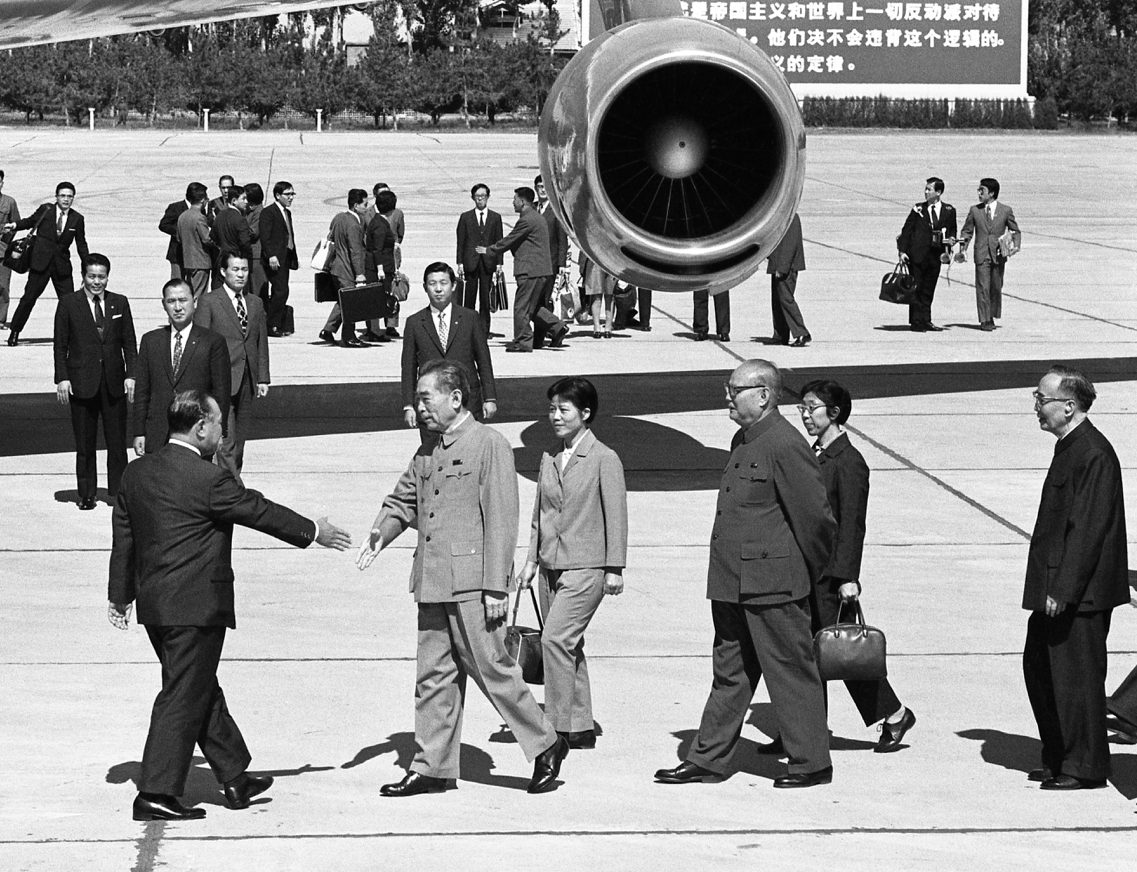
日中首脳が歴史的な握手

日中首脳が歴史的な握手

1972(昭和47)年9月25日、日中国交正常化交渉のため北京空港に到着、出迎えた中国の周恩来首相(手前左から2人目)と歴史的な握手を交わす田中角栄首相。29日、田中首相と周首相が日中の戦争状態終結と国交正常化の共同声明に調印した。

Tanaka and Zhou Exchange a Historical Handshake

On September 25, 1972, Prime Minister Kakuei Tanaka arrived at Beijing Airport for negotiations to normalize Sino-Japanese diplomatic relations and exchanged a historical handshake with Chinese Premier Zhou Enlai (second from left in front). On September 29, Prime Minister Tanaka and Premier Zhou signed a joint statement ending the state of war between Japan and China and normalizing diplomatic ties.
第1章前史:激変する東アジアChapter 1: Prehistory : A Rapidly Changing East Asia

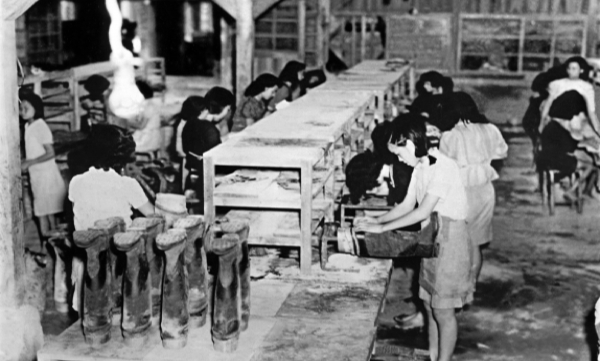
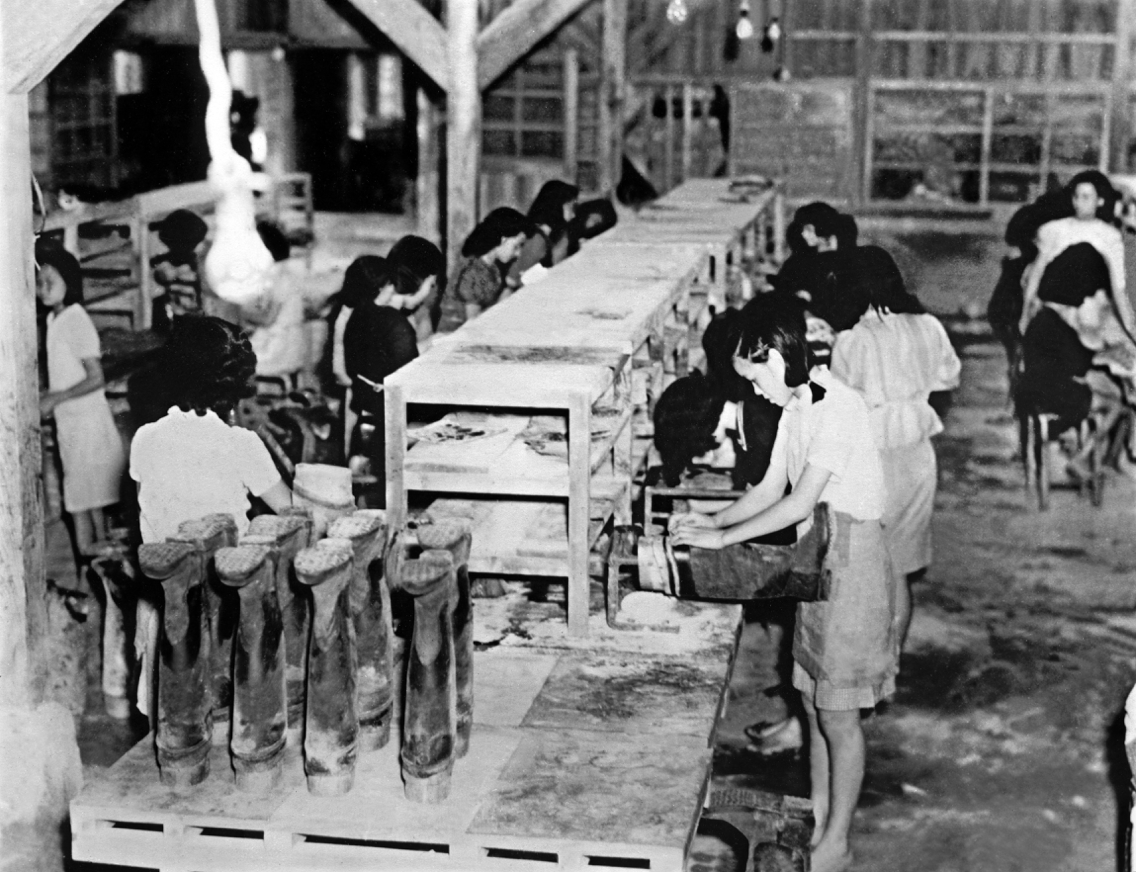
戦時中の台湾の工場

戦時中の台湾の工場

1944(昭和19)年、日本植民地下の台北州七星郡内湖庄東新庄子(現台北市)のゴム工場で、動員され長靴、地下足袋作りに励む女性たち。台湾では志願兵や軍属の徴用が行われたが、戦争の激化により44年9月には徴兵制が実施された。日本兵として出征した台湾人軍人、軍属は約21万人。(同盟通信社)

A Taiwanese Factory During the War

In 1944, under Japanese colonial rule, women in a rubber factory in Taihoku Prefecture (present-day Taipei) work diligently to manufacture rubber boots and jika-tabi (Japanese split-toe work boots) after being mobilized. In Taiwan, volunteers and civilian military personnel were recruited, but due to the intensification of the war, conscription was implemented in September 1944. Approximately 210,000 Taiwanese served as soldiers and military personnel for the Japanese military. (Domei News Agency)

第2章友好と対立、民主化Chapter 2: Friendship and Rivalry, and Democratization

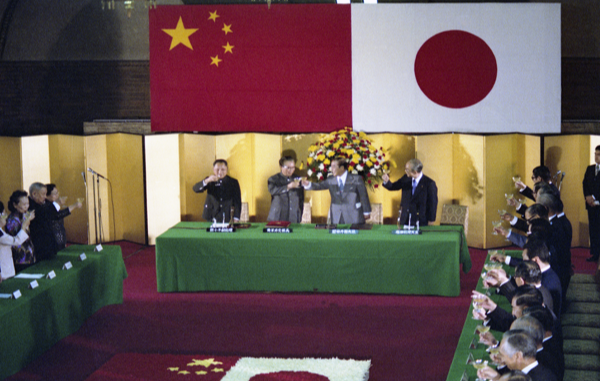
日中平和友好条約が発効

日中平和友好条約が発効

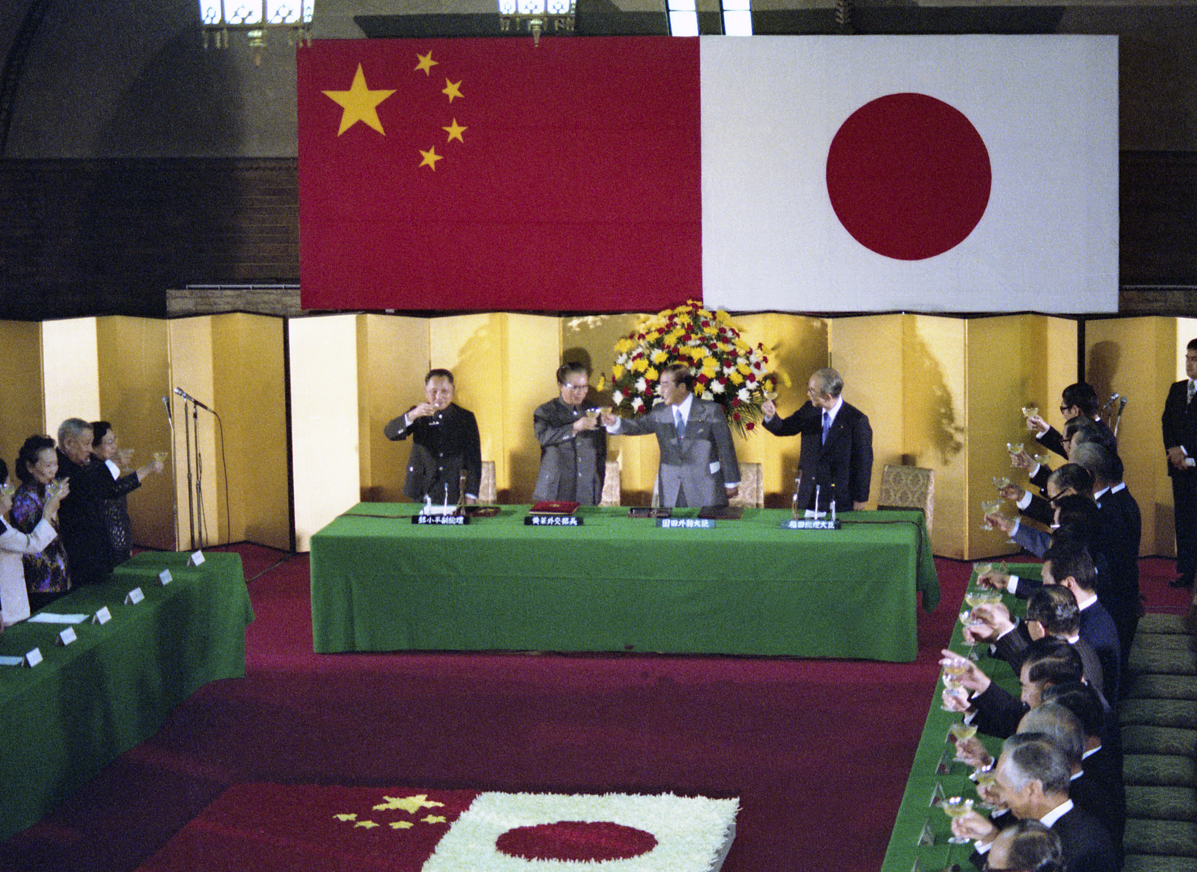
1978(昭和53)年10月23日、首相官邸で日中平和友好条約批准書の交換を終えて乾杯する(中央左から)鄧小平中国副首相、黄華中国外相、園田直外相、福田赳夫首相ら参加者。72年の国交正常化から条約発効まで約6年がかかった。

Treaty of Peace and Friendship Between Japan and China Takes Effect

On October 23, 1978, participants including Chinese Vice Premier Deng Xiaoping, Chinese Foreign Minister Huang Hua, Foreign Minister Sunao Sonoda, and Prime Minister Takeo Fukuda (center, left to right) toast at the Prime Minister's Official Residence after exchanging instruments of ratification for the Treaty of Peace and Friendship between Japan and China. It took about six years from the 1972 normalization of relations for the treaty to take effect.

第3章日中逆転Chapter 3: The Japan-China Reversal

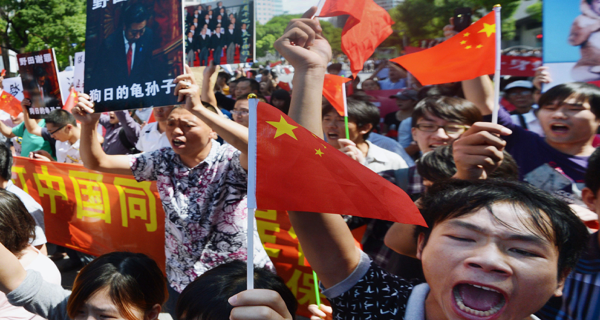
上海のデモで気勢上げる人たち

上海のデモで気勢上げる人たち

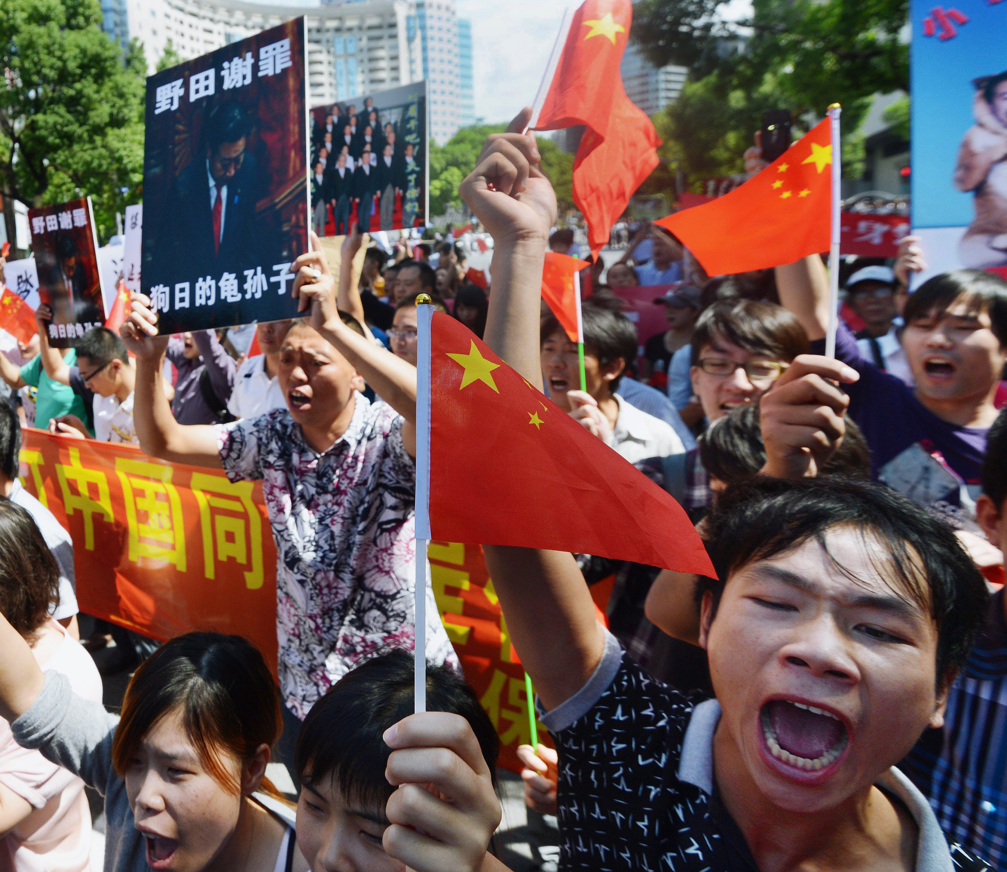
2012(平成24)年9月16日、日本政府の尖閣諸島国有化に抗議する反日デモで、中国上海市の日本総領事館周辺で気勢を上げる人たち。国有化した11日以降、抗議のためのデモが続発した。中国政府もデモを容認する姿勢を示し、満州事変の発端となった柳条湖事件から81年の18日には少なくとも全国125都市で実施され、1972年の国交正常化以来、最大規模となった。

Demonstrators Rally in Shanghai

On September 16, 2012, protesters rally around the Japanese Consulate-General in Shanghai, China, during anti-Japanese demonstrations protesting the Japanese government's nationalization of the Senkaku Islands. Following the September 11 nationalization, protest rallies erupted continuously. The Chinese government adopted a tolerant stance toward the demonstrations, which took place in at least 125 cities nationwide on September 18—the 81st anniversary of the Mukden Incident, which launched the Japanese invasion of Manchuria—marking the largest scale of protests since the 1972 normalization of diplomatic relations.

エピローグ政治を超えてEpilogue: Beyond Politics

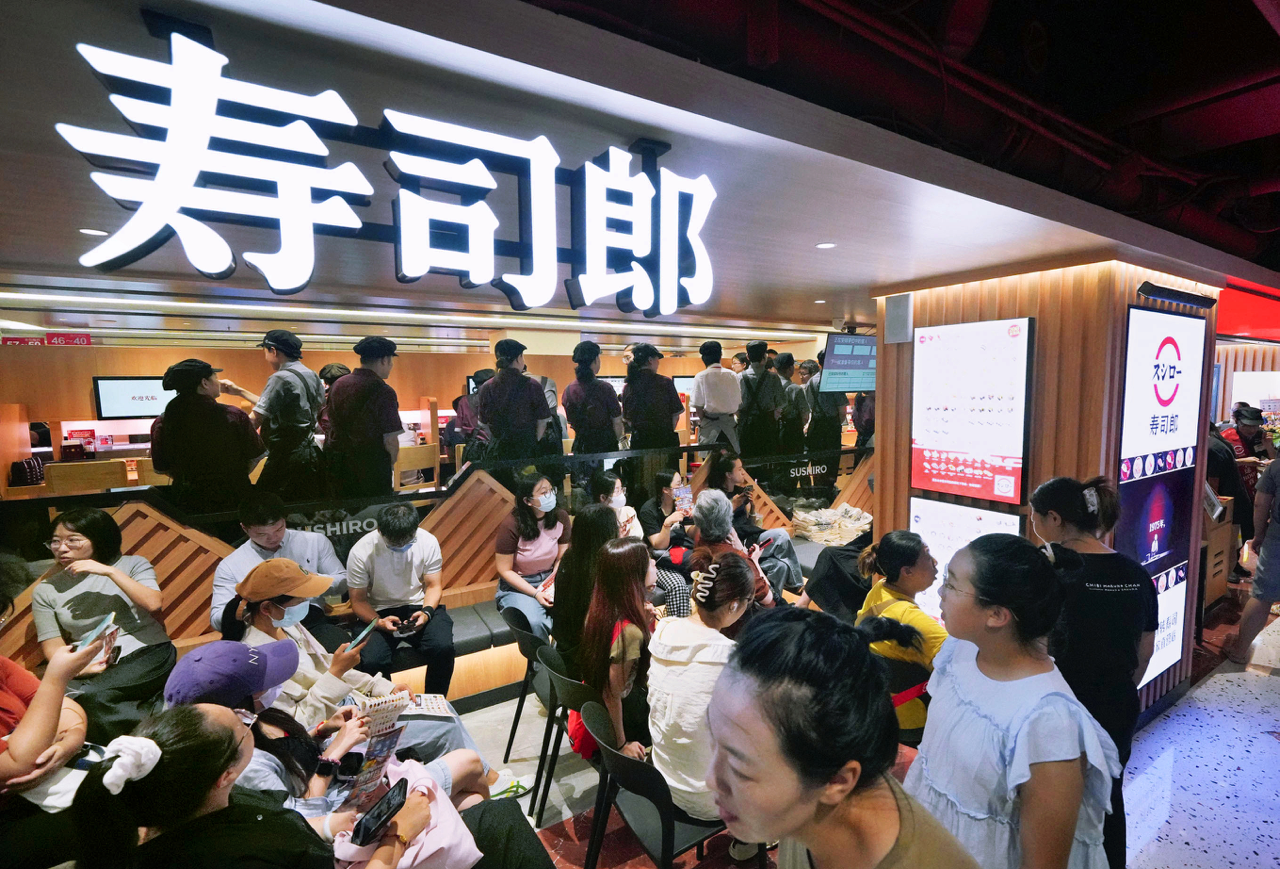
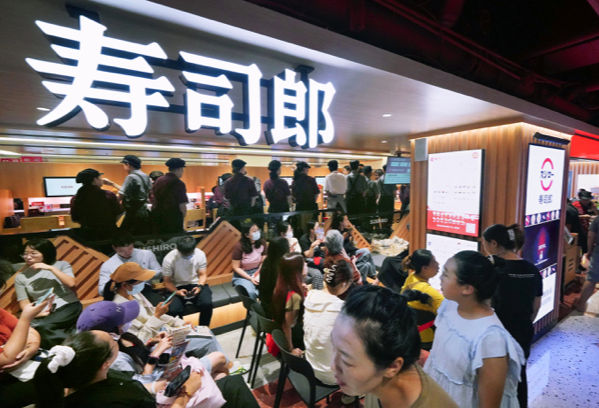
スシロー、北京に1号店

スシロー、北京に1号店

2024(令和6)年8月21日、北京市内に開業した回転ずし大手「スシロー」の北京1号店。中国は東京電力福島第1原発処理水の海洋放出を受け日本産水産物の輸入を事実上停止しているが、回転ずしは現地で大人気。新店舗では中国産のウニやアワビのほか世界各地の食材でメニューを用意した。25年12月には上海市で2店舗が同時にオープンし、おいしくて比較的安いと評判で、初日は開店時点で約700組、最大14時間待ちとなる盛況ぶりだった。

Sushiro Opens First Beijing Location

On August 21, 2024, major conveyor-belt sushi chain Sushiro opens its first Beijing store in central Beijing. While China effectively suspended Japanese seafood imports following the release of treated water from the Fukushima Daiichi Nuclear Power Plant, conveyor-belt sushi remains immensely popular locally. In December 2025, two stores opened simultaneously in Shanghai, where crowds waited up to 14 hours with roughly 700 groups lined up at opening on day one.